Trial by Turbulence: Pushing Robo-Advisors to Their Limits

Today we explore stress-testing robo-advisors using synthetic market scenarios, pushing automated portfolios through liquidity droughts, volatility regime flips, and cross-asset contagion. Discover how believable simulators expose blind spots, which resilience metrics truly matter, and how to turn lessons into safeguards, transparency, and calmer client experiences. Join the conversation and challenge assumptions.

Why Synthetic Markets Matter

Real crises rarely look like the last backtest, which is why synthetic markets give us controllable chaos to probe decision rules, liquidity assumptions, and client promises. By replaying extreme but plausible paths, we uncover hidden couplings, brittle thresholds, and recovery behaviors before real money is at risk.

Building Credible Scenario Generators

Believability starts with structure: regime-switching volatility, copula-based tail dependence, order-book frictions, and macro shocks that propagate across assets with delays. Blend stochastic models, agent-based elements, and learned distributions from GANs, but constrain them with real-world limits, calibration targets, and transparent diagnostics your stakeholders can understand and trust.

Regimes, Volatility, and Path-Dependency

Markets linger in moods. Encode regimes with Markov switching, long-memory volatility, and autocorrelated liquidity. Ensure path-dependency so identical endpoints hide very different journeys, stressing drift controls and stop-loss logic. Validate by matching clustering, serial correlations, and drawdown shapes observed during historical panics and sleepy expansions alike.

Liquidity and Microstructure Stress

Include vanishing depth, queue priority shifts, and fragmented venues. Simulate widening spreads, hidden iceberg orders, and halts that force marketable flows through thin books. Such frictions convert benign portfolio tweaks into costly cascades, exposing how your scheduler, execution engine, and constraints behave under grinding, thirsty pressure.
Robo-Advisor Architecture Under the Microscope

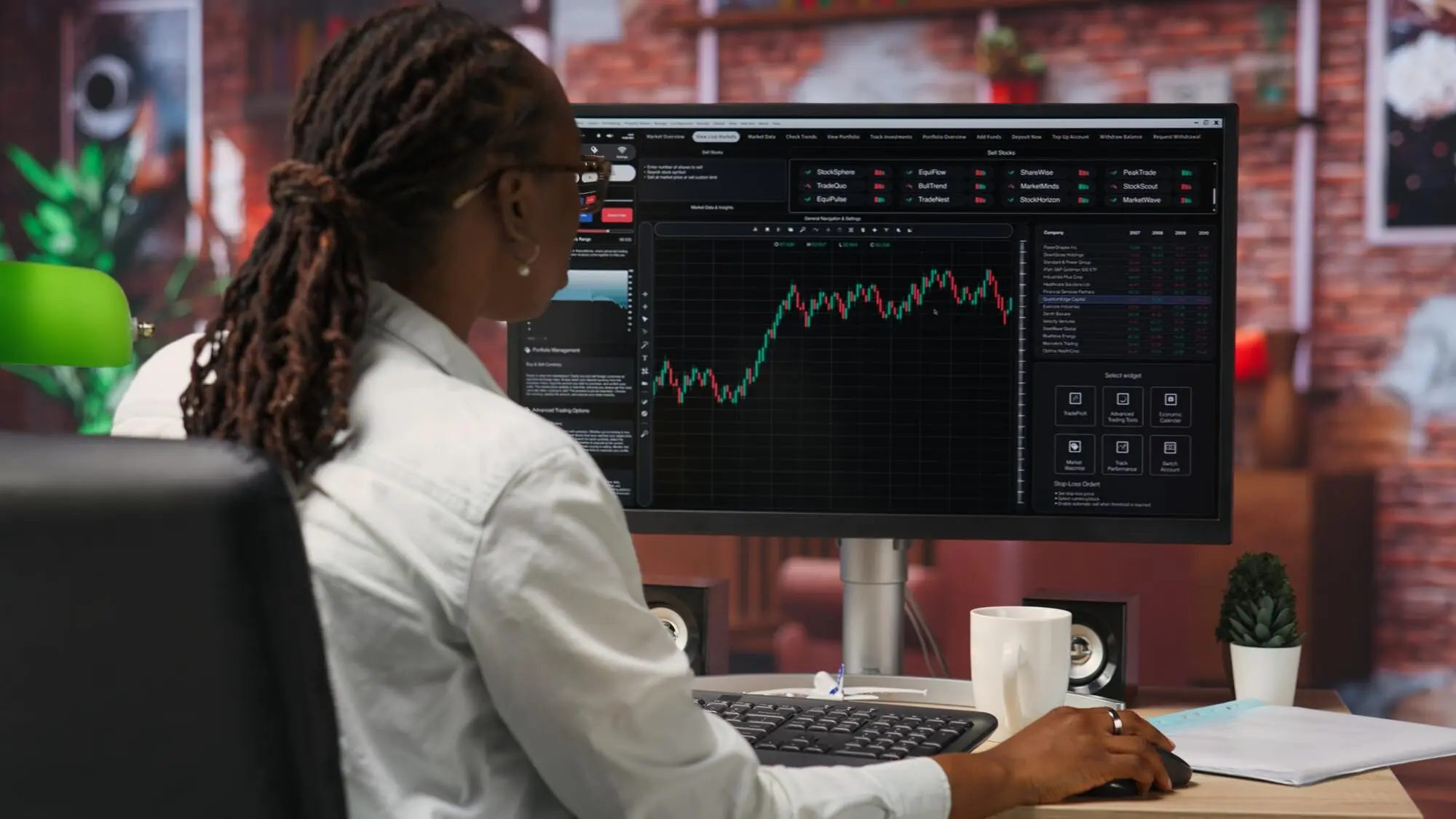
Automated portfolios rely on signals, optimizers, constraints, tax logic, rebalancing schedulers, and messaging rails. Under stress, each coupling matters. Surface failure modes where harmless rounding, stale estimates, or clock drift become expensive. Connect diagnostic breadcrumbs to client communications so explanations flow as quickly as orders and safeguards.

Metrics That Actually Reveal Fragility

Averages comfort, paths teach. Go beyond annualized returns to time-under-water, conditional drawdown at risk, convexity to gaps, liquidity-adjusted losses, turnover spikes, and client-facing volatility bands. Track how explanations age during stress, ensuring narratives remain honest, consistent, and grounded in verifiable telemetry rather than wishful storytelling.

Human Stories from Synthetic Storms

Behind every data point stands a person responsible for promises. We share field notes from nights spent tuning simulators, negotiating trade-offs between precision and speed, and composing explanations before headlines hit. These stories humanize engineering rigor and invite your experiences, because wisdom compounds when shared openly.

The Night the Simulator Froze Spreads

During a late war-game, synthetic credit markets seized and our execution layer refused trades priced through widened spreads. Alarms sang. A junior engineer proposed a fallback liquidity proxy, bought minutes, and saved the drill. Documenting that improvisation later became a standard procedure clients now benefit from.

A Client Letter Written Before the Crash

One team rehearsed an explanatory letter during calm months, describing how automatic de-risking, tax transitions, and communication cadence would unfold during a severe downswing. When volatility finally erupted, the prewritten message shipped within minutes, converting dread into understanding and preserving trust built over quieter quarters.

Engineers, Ethics, and the Red Button

Stress drills raise ethical questions: who can pause trading, what thresholds trigger it, and how are investors notified? Teams debated responsibility, codified authority, and tested handoffs. The result was faster protection, clearer explanations, and fewer sleepless nights for people guarding livelihoods behind dashboards and logs.

Experiment Pipelines and Reproducibility

Codify scenarios as code with versioned seeds, artifact registries, and signed reports. Automate environment capture and differential analysis so every improvement is measurable. Invite peer review, publish dashboards, and solicit community test ideas, turning isolated experiments into a living platform that steadily raises reliability across portfolios.

Guardrails, Alerts, and Auto-De-Risking

Implement circuit breakers tied to scenario-calibrated thresholds, throttling trade intensity, nudging cash buffers higher, or pausing riskier allocations. Design alerts that prioritize clarity over drama, including actionable next steps. Regular dry-runs ensure people trust automation when seconds count, aligning safety with investor expectations and regulatory scrutiny.

Communicating Uncertainty with Confidence

Share ranges, not promises. Present fan charts, scenario envelopes, and sensitivity tables alongside plain-language explanations of limitations and controls. Encourage readers to subscribe, comment, and request bespoke drills, transforming uncertainty from a source of anxiety into a managed space for disciplined, transparent decision-making.
Savivarozavofexolivosiravani
Privacy Overview

This website uses cookies so that we can provide you with the best user experience possible. Cookie information is stored in your browser and performs functions such as recognising you when you return to our website and helping our team to understand which sections of the website you find most interesting and useful.